Why South Asians Should Consider Organ Donation in the U.S.

There’s something deeply beautiful about giving. In our cultures, we call it Seva, Dana, or Sadaqah, selfless acts done from the heart. It’s what our parents taught us: help others, even when no one is watching.

And yet, when it comes to organ donation, many South Asians in the U.S. hesitate. Not because we don’t care, but because we often carry questions, myths, and quiet fears passed down over generations.

The Need Is Closer Than We Think

In the United States, more than 100,000 people are waiting for an organ transplant, and kidneys make up most of that list. Among them are thousands of South Asians, fathers, mothers, young students, and grandparents, waiting for a second chance at life.

Here’s the hard truth: South Asian patients often wait longer. Matching organs depends on blood and tissue types, which are more compatible within shared genetic backgrounds. When fewer people from our communities register as donors, it means fewer potential matches for those who look like us, pray like us, and share our heritage.

Becoming an organ donor in the U.S. isn’t just about saving lives; it’s about saving our own communities. Every registered South Asian donor widens the circle of hope.


Faith, Culture, and the Gift of Life

Many of us wonder, “Does my religion allow organ donation?” The answer, in most cases, is yes.

  • Hinduism sees donation as Daan, a final act of service.
  • Islamic scholars across the world have endorsed donation as a noble act when it saves a life.
  • Sikhism teaches Seva, service without expectation.
  • Christianity honors sacrifice and compassion as the highest virtues.

When someone from our community donates, it sends a message beyond words: our culture believes in compassion that crosses boundaries. It tells every child watching that being South Asian in America means holding on to our roots while embracing humanity in its purest form.

How You Can Take the First Step

You don’t have to wait for a big moment to do something meaningful. Registering as an organ donor takes less than two minutes at www.organdonor.gov. You can also sign up through your state DMV or during your driver’s license renewal.

Once you’ve registered, talk to your family. Let them know why it matters to you. That conversation, though small, could one day save eight lives.

Every time someone in our community signs up, we bridge a gap in the system. We make it easier for South Asian patients across the U.S. to find a match, live longer, and return home to the people they love.

You don’t have to be a doctor to save lives. You just have to say yes.
Paired Kidney Exchange in the USA | How Kidney Swap Programs Save Lives

Sometimes, love alone isn’t enough to save someone you care about; science and kindness have to join hands. That’s where Paired Kidney Exchange (PKE) comes in.

In the United States, thousands of people wait for kidney transplants every year. Many have a family member or friend willing to donate, but their blood types or tissue types don’t match. It’s a heartbreaking reality, being ready to save a life but not being able to. With no doubt, paired Kidney Exchange turns that “no” into a beautiful “yes.”

How Paired Kidney Exchange Works

Think of it like two families crossing paths at the right moment.

Let’s say Maria wants to donate to her husband, but she’s not a match. Across the country, Raj wants to give a kidney to his sister but can’t. Through a kidney swap program, Maria’s kidney matches Raj’s sister, and Raj’s kidney matches Maria’s husband. Both transplants happen, two lives are saved, and four hearts heal.

That’s the power of Paired Kidney Exchange in the USA. It’s not just about medicine; it’s about human connection and trust between strangers who become linked forever.

National programs like the National Kidney Registry (NKR) and United Network for Organ Sharing (UNOS) help make these exchanges possible. Hospitals and transplant centers across the U.S. participate, using advanced matching systems to connect donor pairs safely and ethically.

Each match is a story of empathy turned into action. Each surgery is proof that compassion can travel across zip codes, faiths, and languages.

A Gift That Ripples Beyond Families

What makes kidney exchange extraordinary is how one generous act can create a chain reaction. One willing donor can start a donation chain, a series of transplants helping several people who might never have met otherwise.

Paired exchange is growing every year in the U.S., giving hope to families who have lost it. It also opens doors for communities that face longer waiting times, like South Asian Americans, where kidney disease is more common but awareness about living donation is still low.

Education and open conversations matter. When we talk about donation not as surgery but as a shared act of humanity, we make space for trust.

Whether you’ve known someone on dialysis or simply believe in giving back, learning about kidney paired donation could be your way to make a difference.

If you ever thought, “I’d help if I could,” remember, you still can. You might just help two families instead of one.

Gift of Life Institute’s (GOLI) Mini Fellowship in Organ Donation 2018

From Oct 28th 2018 to Nov 7th, 2018

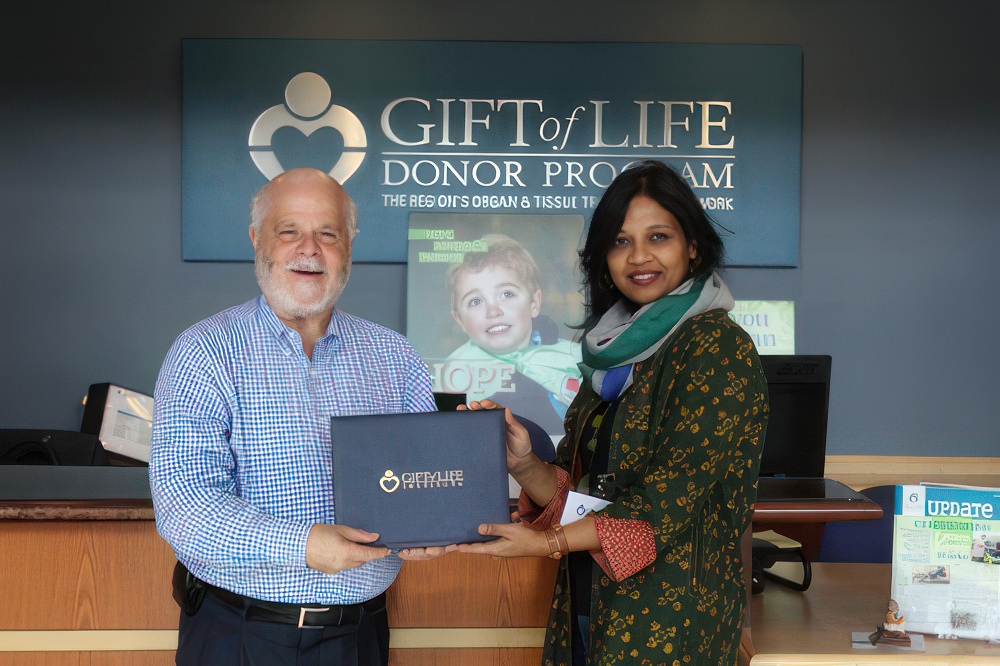
MOHAN USA sponsored the Gift of Life Institute’s (GOLI) Mini Fellowship in Organ Donation from Oct 28, 2018 to Nov 7, 2018 for executives in organ donation organizations from India.

Ms Pallavi Kumar, Executive Director, MOHAN Foundation India and Ms Arati Gokhale, Convenor ZTCC (Zonal Transplant Coordination Committee) Pune completed the Gift of Life Institute’s (GOLI) Mini Fellowship in Organ Donation from October 15 to 26, 2018. One of the objectives of the agreement was facilitating the enhancement of the deceased donation and transplantation programme in India through education and training of donation and transplantation professionals in the country.

Gift of Life Donor Program manages  every facet of the donation process, coordinates the recovery of organs and tissues, and allocates the organs to  suitable recipients as per UNOS (United Network for Organ Sharing) allocation policies. All these aspects were covered by the experts during several didactic sessions.

The participants also attended a Workshop on Family Empowerment through Effective Advocacy: Averting and Overcoming Obstacles to Donation and a a Donation Champion Learning Session titled ‘Supporting Families and Sharing Best Practices’.

Pallavi and Arati also had an opportunity to attend “Life and Legacy” – an event held to honor Organ, Tissue and Cornea Donors and their families for their generous gifts. The event was held at Blackwood, New Jersey on October 21, 2018.

Educational event in association American Society of Transplantation (AST)

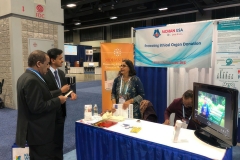
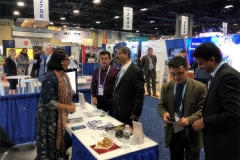
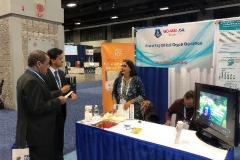
MOHAN USA organized an educational event in association American Society of Transplantation (AST) in Seattle on June 2, 2018

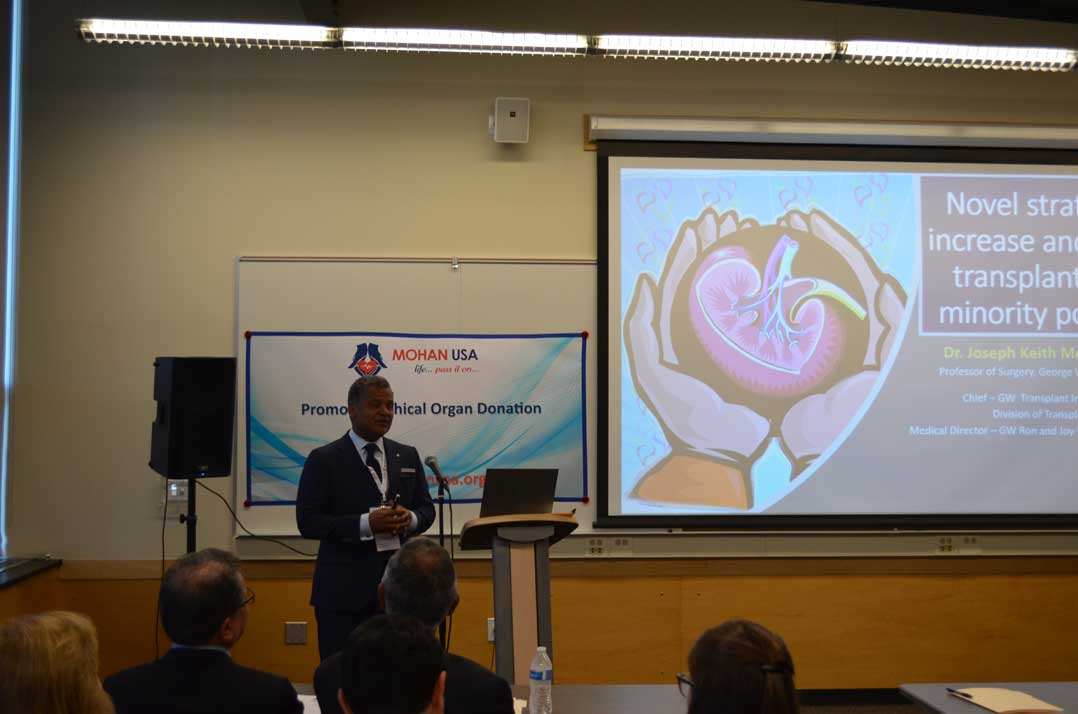
MOHAN USA, in association with American Society of Transplantation (AST), organized a special event on the 2nd of June 2018 at Seattle, Washington. The educational event, titled, ‘Strategies to Increase Awareness and Organ Donation Rates Amongst Minorities’ coincided with the American Transplant Congress, the largest gathering of over 5,000 transplant professionals from all over the world, being held in the same city.

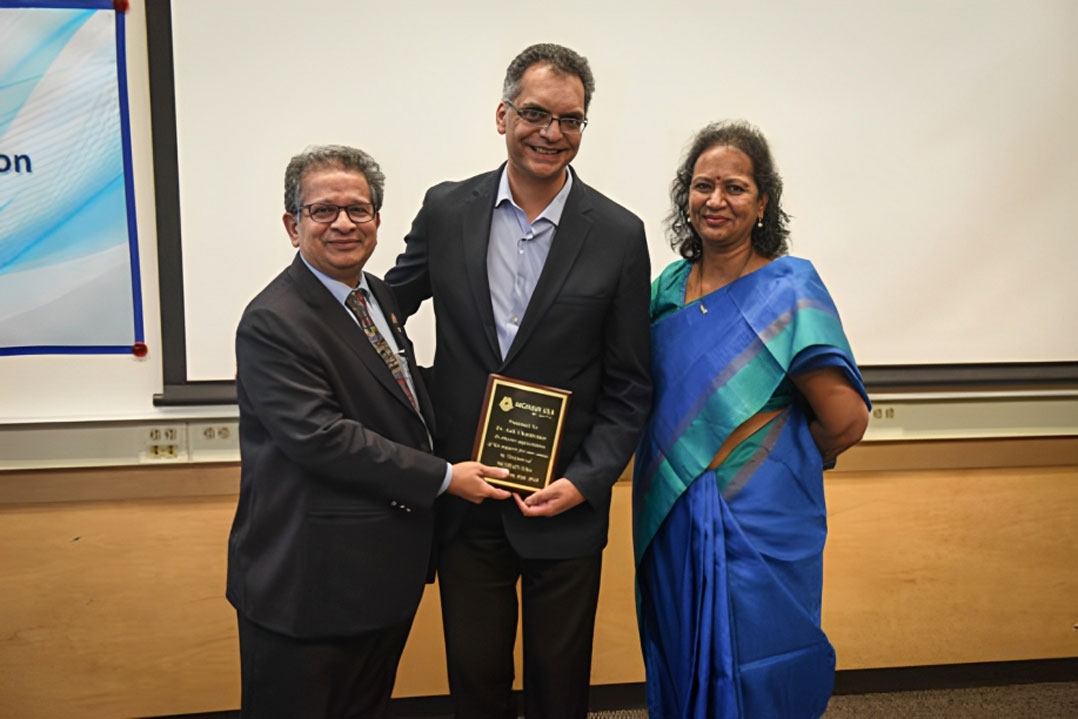
Moderated by Dr. Anil Chandraker, Past President of the AST, the educational event saw a sold-out crowd listen to many speakers present their work on this topic. The opening remarks were delivered by Dr.Anirban Bose, President of MOHAN USA, following which Dr. Sundaram Hariharan enlightened us about the objectives of his organization Transplant Professionals of Indian Origin (TPIO). Ms. Claire Bonilla CEO of SightLife gave a superb talk, bringing into focus, the importance of local cultural sensitivities in the field of organ and tissue donation.

Next to speak was Dr. Clive Callendar, the evening’s Keynote Speaker, who delivered an inspirational tale of his life’s work, his journey in the founding of the Minority Organ Tissue Transplant Education Program MOTTEP, the hugely successful program to increase donor registration and organ donation amongst the African American community in the US. He was followed by his protégé, Dr. Keith Melancon, Professor of surgery at George Washington University, who enlightened the attendees on the outcomes of organ transplants among minorities.

Next on stage was Dr.Randeep Kashyap, surgical director of Kidney transplant at the University of Rochester, whose research focused on using primary care physician offices as effective enrolment venues for organ donor registration. This was followed by an impassioned lecture by Mr. Kevin O’Conner, president and CEO of Life Center Northwest, the most successful Organ Procurement Organization in the country on the key strategies to increase organ donation and registration.

The final presentation was by Dr. Sunil Shroff, founding trustee of MOHAN Foundation, who touched on the salient points about organ donation patterns in South Asia and the local topics and sensitivities that affect it.

A lively debate and discussion ensued at the end of the lectures about potential strategies to increase organ donation among minorities, especially South Asians, who have a significant burden of disease, but a low organ donor registration and consent rate. Dr. Callendar’s talk was very revealing as the audience learned how the rate of donations among the black population has risen over a decade due to public engagement and creating community awareness by MOTTEP at the grassroot level. Thanks to their work, the latest UNOS data shows that the rate of donation among blacks is either comparable or better than most ethnic groups in the country.

It was also evident that there is very little data in the literature about organ donation and registration rates among the South Asian population. Based on the personal experiences of the experts present at the meeting, it was felt that there is a great need to engage this community in this process and reach out to them at the grassroot level to increase their participation in both organ donation and registration. There was unanimous agreement that it was vitally important to perform more research on this topic and Dr. Callendar and Melancon offered help with their expertise to MOHAN USA to get in step with the logistics of research.

Promoting Ethical Organ Donation & Saving Lives!

2nd of June 2018 at Seattle, Washington

  • MOHAN USA, (Multi Organ Harvesting Aid Network) in association with American Society of Transplantation (AST) organized a special event on organ donation
  • The theme for the event was ‘Strategies to Increase Awareness and Organ Donation Rates Amongst Minorities
  • Dr. Clive Callendar the Keynote Speaker delivered an inspirational story on how his organisation helped to improve the organ donation rates among American Black community and bring it on par with the white community
  • MOHAN USA, in association with American Society of Transplantation (AST), organized a special event on the 2nd of June 2018 at Seattle, Washington. The educational event, titled, ‘Strategies to Increase Awareness and Organ Donation Rates Amongst Minorities’ coincided with the American Transplant Congress, the largest gathering of over 5,000 transplant professionals from all over the world, being held in the same city.

Moderated by Dr. Anil Chandraker, Past President of the AST, the educational event saw a sold out crowd listen to many speakers present their work on this topic. The opening remarks were delivered by Dr.Anirban Bose, President of MOHAN USA, following which Dr. Sundaram Hariharan enlightened us about the objectives of his organization Transplant Professionals of Indian Origin (TPIO). Ms. Claire Bonilla CEO of SightLife gave a superb talk, bringing into focus, the importance of local cultural sensitivities in the field of organ and tissue donation.

Next to speak was Dr. Clive Callendar, the evening’s Keynote Speaker, who delivered an inspirational tale of his life’s work, his journey in the founding of the Minority Organ Tissue Transplant Education Program MOTTEP, the hugely successful program to increase donor registration and organ donation amongst the African American community in the US. He was followed by his protégé, Dr. Keith Melancon, Professor of surgery at George Washington University, who enlightened the attendees on the outcomes of organ transplants among minorities.

Next on stage was Dr.Randeep Kashyap, surgical director of Kidney transplant at the University of Rochester, whose research focused on using primary care physician offices as effective enrolment venues for organ donor registration. This was followed by an impassioned lecture by Mr. Kevin O’Conner, president and CEO of Life Center Northwest, the most successful Organ Procurement Organization in the country on the key strategies to increase organ donation and registration.

The final presentation was by Dr. Sunil Shroff, founding trustee of MOHAN Foundation, who touched on the salient points about organ donation patterns in South Asia and the local topics and sensitivities that affect it.

The Impact

A lively debate and discussion ensued at the end of the lectures about potential strategies to increase organ donation among minorities, especially South Asians, who have a significant burden of disease, but a low organ donor registration and consent rate. Dr. Callendar’s talk was very revealing as the audience learned how the rate of donations among the black population has risen over a decade due to public engagement and creating community awareness by MOTTEP at the grassroot level. Thanks to their work, the latest UNOS data shows that the rate of donation among blacks is either comparable or better than most ethnic groups in the country.

It was also evident that there is very little data in the literature about organ donation and registration rates among the South Asian population. Based on the personal experiences of the experts present at the meeting, it was felt that there is a great need to engage this community in this process and reach out to them at the grassroot level to increase their participation in both organ donation and registration. There was unanimous agreement that it was vitally important to perform more research on this topic and Dr. Callendar and Melancon offered help with their expertise to MOHAN USA to get in step with the logistics of research.

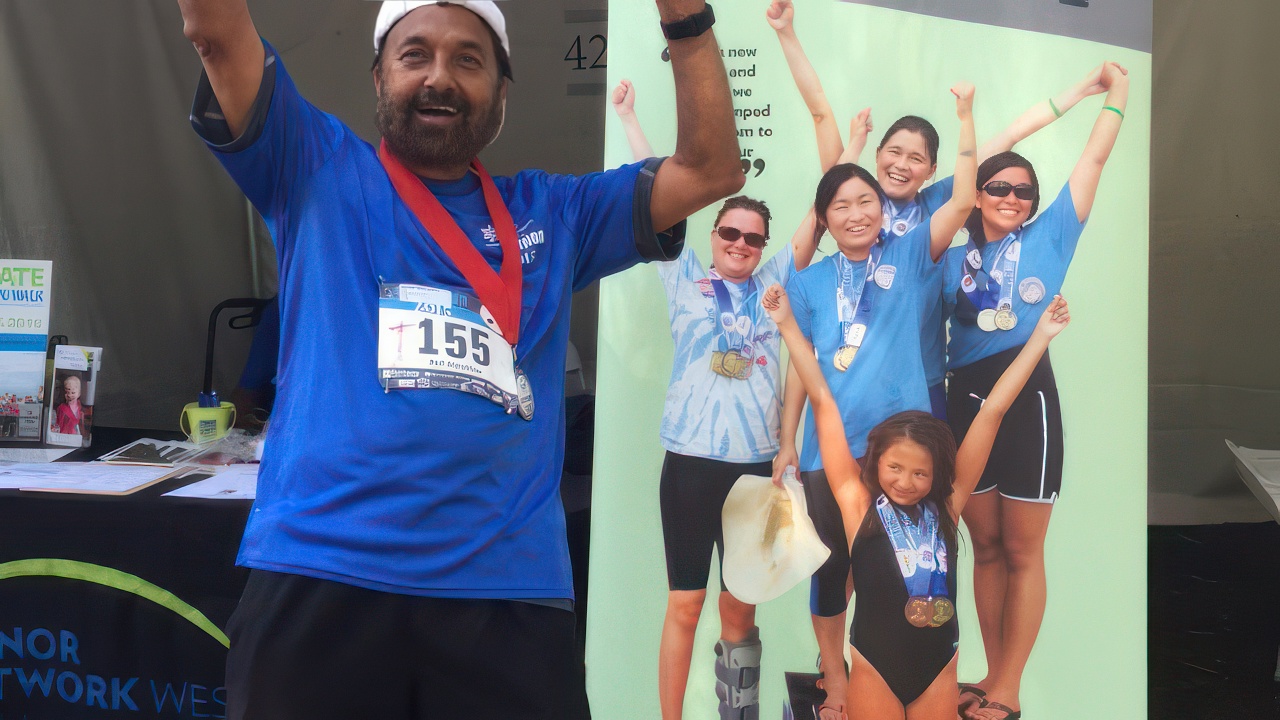
Sevathon 2015

June 2nd, 2018,

MOHAN USA held their second annual fundraiser and Charity Gala in Seattle on Saturday, June 2nd, 2018.

MOHAN USA’s Second Annual Fundraiser and Charity Gala was held on Saturday, June 2, 2018 at Seattle. It was organized and managed by MOHAN USA members and volunteers based in Seattle including Dr. Nidyanandh Vadivel and Yash Shroff. It was publicized via social media and emails and attended by over 150 guests from the Seattle area as well as MOHAN USA supporters from around the country and several guests from India.

The event was a gala evening of live music and entertainment performances, interspersed with inspiring talks about the work and mission of MOHAN USA and its partners including MOHAN Foundation. The audience also generously donated to the cause. This was followed by a grand buffet style dinner and music and dancing. Overall, the fundraiser and gala event was enjoyed by everyone and a grand success.

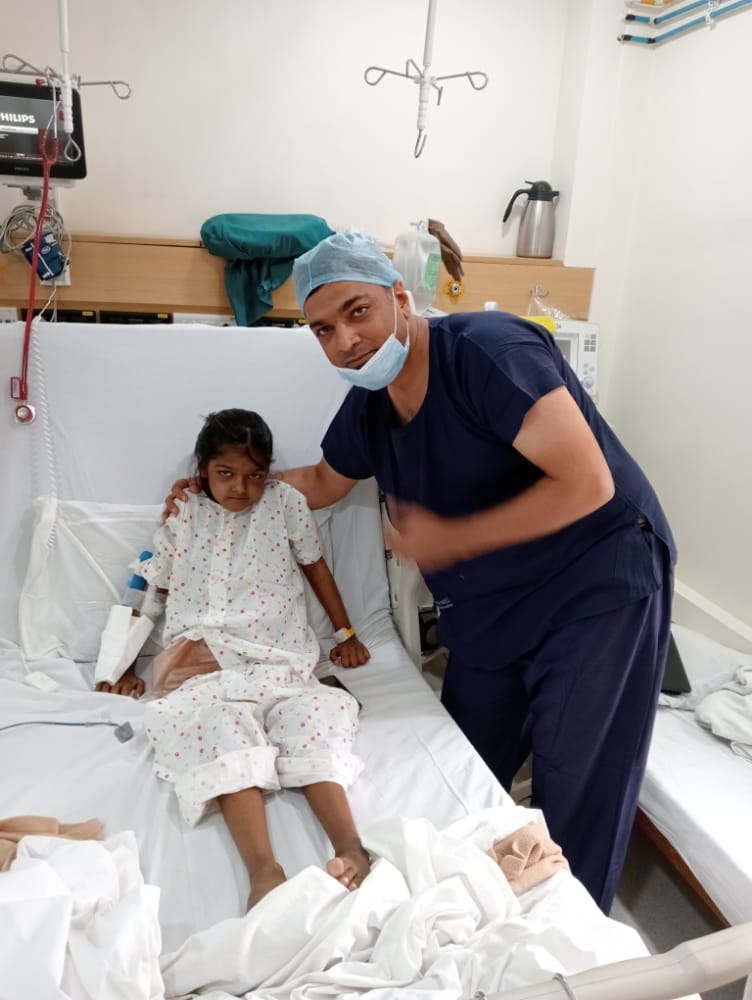
Case story- Baby Hafsa Qureshi


On November 22, 2022, MOHAN Foundation’s Anudaan- “Making Transplants Affordable” team received an email from Nanavati Max Super Specialty hospital, Mumbai requesting financial aid for Baby Hafsa Qureshi’s liver transplant, who was suffering from autoimmune hepatitis with decompensated liver disease and needed an urgent liver transplant. 

Baby Hafsa, age 7, hails from Jogeshwari West, Mumbai.  She belongs to a middle-class family. Her father works as a site supervisor. But after the covid-19 pandemic started, their family income took a massive hit. They were somehow managing their family expenses, however Hafsa’s multiple hospitalizations drained them completely.  With the meager income of the family, it was very tough for them to pay the huge cost i.e., Rs. 16.5 Lakh for Hafsa’s liver transplant. 

“Hafsa needs an urgent liver transplant. Her liver failure won’t let her live long. We must make no delay in the liver transplant,” the doctor explained to the parents. 

A few tests later, the mother was found to be a perfect match for her child. The family then discussed about their economic challenges with the doctors at Nanavati Max Super Specialty hospital. The parents were informed about MOHAN Foundation’s Anudaan. With support from Anudaan and few other NGOs, Baby Hafsa successfully underwent a liver transplant on December 02, 2022. MOHAN Foundation sanctioned Rs. 50,000 for her liver transplant.

Hafsa is blessed with a second life. She is excited for her future and wants to be an educator.

“It means a lot to me and I am so happy now to see that my daughter is doing well after so much pain and suffering. Lots of gratitude to MOHAN Foundation for their quick and timely financial support.”-Mr. Farooq Qureshi, Father

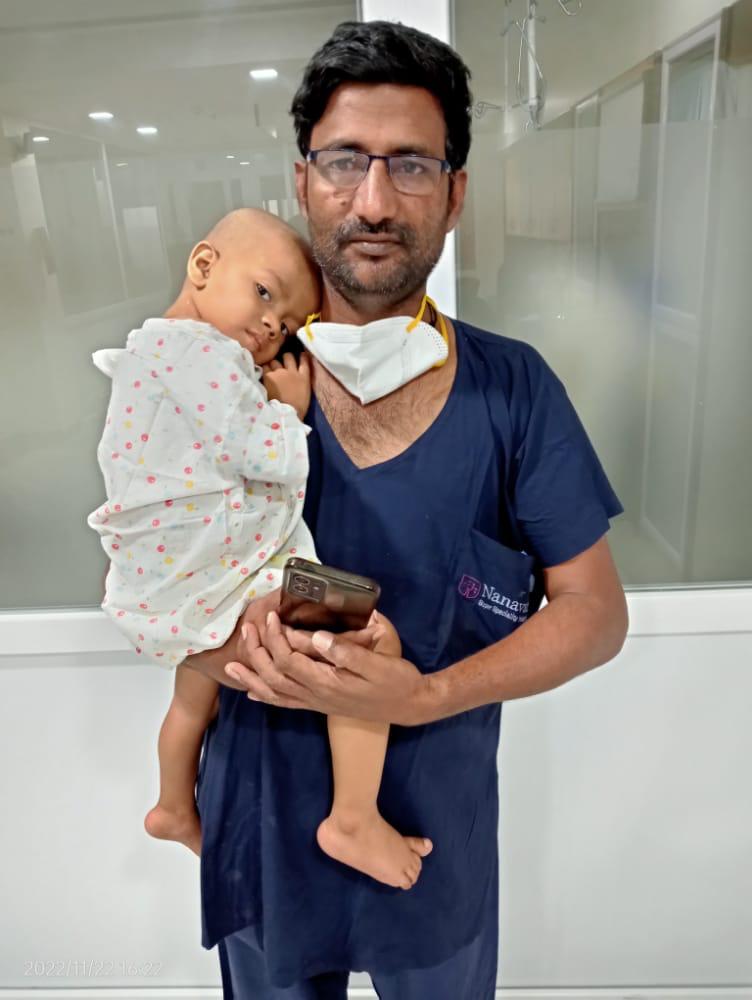
Case story- Fahim Shaikh

On September 20, 2022, MOHAN Foundation’s Anudaan- “Making Transplants Affordable” team received an email from Nanavati Max Super specialty hospital, Mumbai requesting financial aid for Master Fahim Shaikh’s liver transplant, who was suffering from Hepatoblastoma and needed an urgent liver transplant. 

Master Fahim Shaikh, age 2 years hails from Mumbai. He belongs to a poor family. His father is a tailor. He has three more sons who are older than Fahim, pursuing their primary education. With the meager income of the family, it was very tough for them to pay a huge cost i.e., Rs. 16.5 Lakh for Fahim’s liver transplant. The situation worsened when the father had to temporarily quit his work to pursue Fahim’s medical treatment. 

At Nanavati Max Super specialty hospital, the family was informed that their child was in need of an urgent liver transplant. A couple of tests later, Fahim’s mother was found to be a perfect match for her son. The estimated cost of the liver transplant was Rs.16.5 lakh. 

After the family discussed about their poor economic condition with the doctors at Nanavati Max Super specialty hospital, they were informed about MOHAN Foundation’s Anudaan from where they could receive financial support. This information gave them a new hope. With support from Anudaan, few other NGOs and the hospital’s concession on transplant cost, Master Fahim Shaikh successfully underwent a liver transplant on November 09, 2022.

MOHAN Foundation sanctioned Rs. 1 lakh for his liver transplant. 

Both mother and son are recovering well. Fahim’s family is very happy to see their son resume a normal life and are excited to see him going to school. His parents aspire for Fahim to become a police officer. 

“I am really thankful to MOHAN Foundation’s Anudaan team for saving my son’s life.” – Imtiyaz Shaikh (Father)

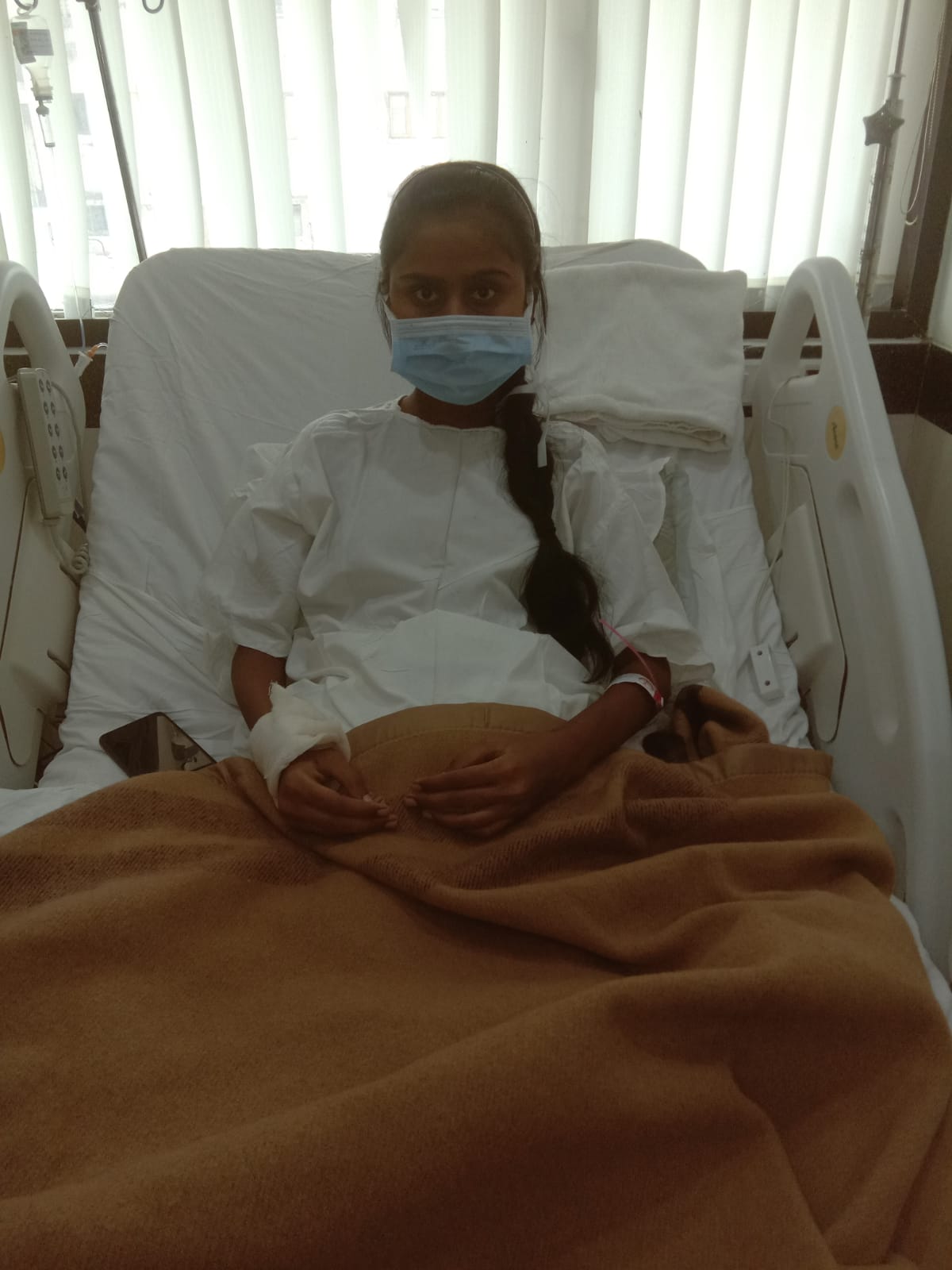
Case story -Ms Priya Suresh Jadhav

n November 2, 2022, MOHAN Foundation’s Anudaan- “Making Transplants Affordable” team received an email from Bombay Hospital & Medical Research Center, Mumbai requesting financial aid for Ms Priya Suresh Jadhav, who was suffering from Chronic Kidney Disease (CKD) and was on maintenance dialysis. She needed an urgent kidney transplant to be able to survive.

Ms Priya Jadhav, age 23, hails from Pune, Maharashtra.  She belongs to an underprivileged family. Her father is a farmer & a daily wage labourer in Pune. With the meager family income, her family could not afford to pay the huge cost of the kidney transplant, i.e.; Rs. 7.5 Lakh. 

Few years ago, Priya started having pale eyes and stomach pain. She used to vomit whatever she was eating. She was taken to a local hospital for treatment, where it was found that Priya was suffering from a chronic kidney disease. She was then referred to Bombay Hospital for further and better treatment. 

Her mother, Mrs. Manisha Suresh Jadhav came forward to donate one of her kidney to save her beloved daughter’s life. After the parents discussed about their poor economic situation, the doctors & transplant coordinators at Bombay Hospital informed them about MOHAN Foundation’s Anudaan. 

With support from Anudaan, few other NGOs and the hospital’s concession on transplant cost, Ms Priya Jadhav successfully underwent a kidney transplant on November 05, 2022. MOHAN Foundation sanctioned Rs. 75,000 for her kidney transplant. 

Both the mother and daughter are doing well. Ms Priya is very happy and excited for her future. She wants to be a doctor so that she can serve the underprivileged patients like her. 

“Many thanks and lots of gratitude to MOHAN Foundation’s Anudaan team for saving my daughter’s life with their financial support.” – Mr. Suresh Jadhav, Father